

The effects of casino design on player behavior and emotions
Introduction to Casino Design
The architecture and layout of a casino play a crucial role in shaping player behavior and emotions. The design elements aim to create an immersive experience that engages players’ senses and influences their decision-making processes. For example, casinos often employ vibrant colors, dynamic lighting, and strategic layouts to guide players through the space and encourage them to spend more time and money. Understanding how these factors impact players is essential for casino management and design teams.
Moreover, the casino environment can elicit specific emotional responses. Elements like sound and scent can further enhance the gaming experience, creating a unique atmosphere that can lead to increased excitement and anticipation. One fascinating aspect is how the concept of ice fishing casino utilization adds a unique twist, merging different activities and experiences, which affects players’ moods and behaviors.

The Role of Color and Lighting
Color theory plays a significant role in casino design, with various colors invoking different emotions. For example, warm tones like red and yellow stimulate excitement and energy, driving players toward action. In contrast, cooler tones like blue can create a sense of calmness, allowing players to relax and engage in strategic decision-making. Casinos are aware of these psychological reactions and often integrate a vibrant color palette to entice and energize visitors.
Lighting is another vital element in casino design. Bright, flashing lights attract attention and can create a sense of urgency. Moreover, the strategic placement of softer lighting in certain areas can encourage players to relax and linger longer, ultimately leading to increased spending. Effective use of lighting can significantly enhance the overall gaming experience, resulting in a direct effect on player behavior and emotional states.
Sound and Scent as Influential Factors
Sound design is often an overlooked aspect of casino environments, yet it plays a critical role in shaping player emotions. The sounds of slot machines, chimes of winning, and ambient music can all influence how players feel as they gamble. Upbeat music can increase excitement and entice players to continue playing, whereas slower music can encourage them to take their time and enjoy the experience.
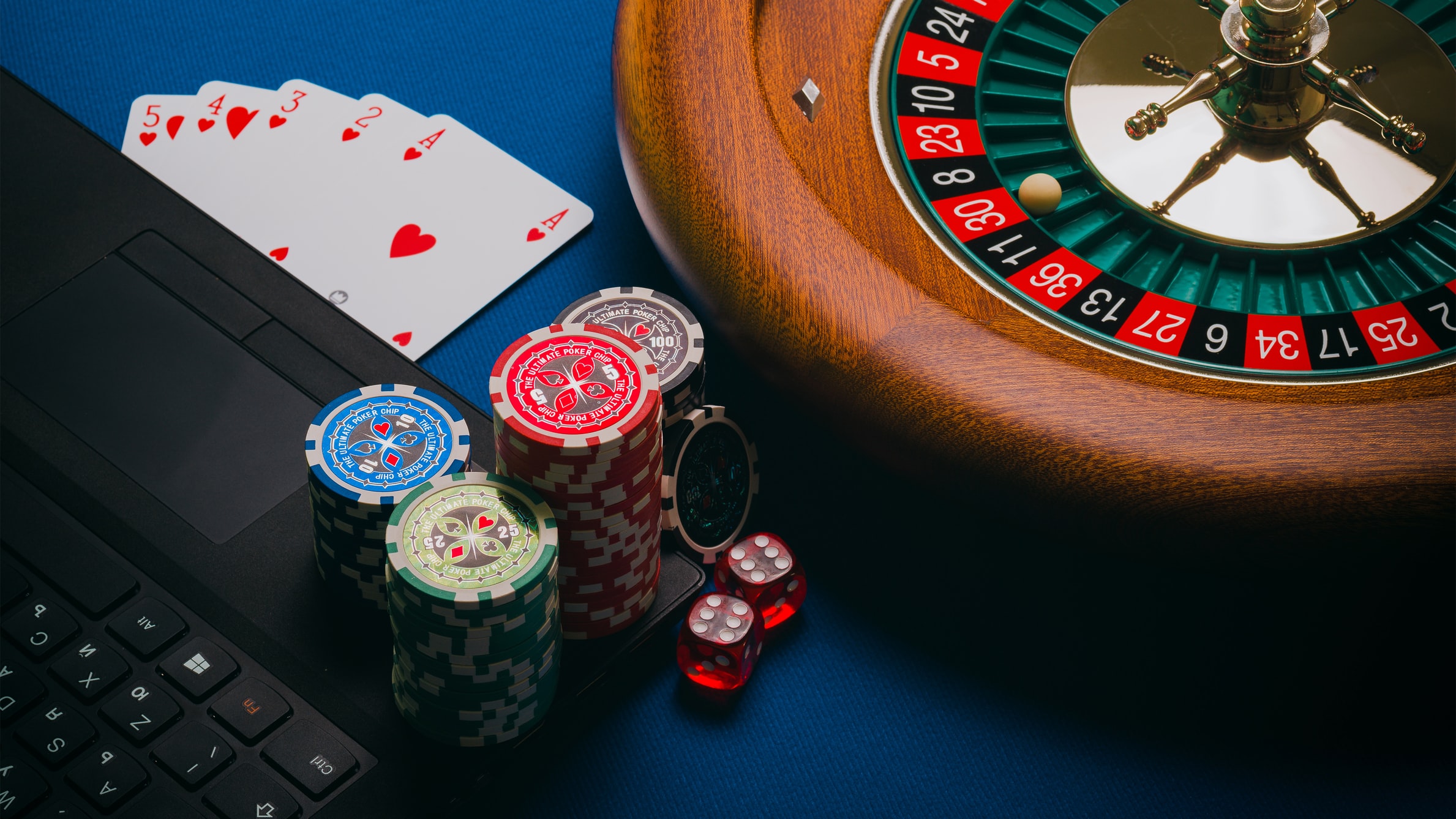
Scent marketing is also emerging as a powerful tool in casino design. Specific scents can evoke nostalgia or pleasure, facilitating a positive emotional connection between the player and the casino. The strategic use of scent can create an inviting atmosphere that encourages players to spend more time—and money—within the space. Understanding how these sensory aspects work together is essential for optimizing player engagement and satisfaction.
Creating Unique Experiences
Distinctive themes and layouts contribute to creating memorable experiences for players. Many casinos adopt styles ranging from opulent and grand to contemporary and sleek, each offering a different emotional palette for visitors. The choice of theme can heavily influence the mood of the space and, consequently, player behavior. For instance, a high-energy, flashy environment might attract thrill-seekers, while a more subdued ambiance may appeal to those looking for a relaxed experience.
Moreover, interactive design features, such as lounge areas, entertainment options, and even art installations, can enhance the overall experience. These elements not only make the casino visually appealing but also impact how players engage with their environment and each other. As they navigate through spaces designed to surprise and entice, their emotions and behaviors adapt correspondingly.
Conclusion: Navigating the Emotional Landscape
In conclusion, the design of a casino significantly affects player behavior and emotions. From color and lighting to sound and scent, every aspect plays a role in creating an engaging, immersive experience. Casinos that prioritize thoughtful design can cultivate environments that encourage players to return, helping to build loyalty and enhance revenue potential.
Understanding these dynamics can lead to more effective strategies for attracting and retaining players. As the industry continues to evolve, ongoing research into the psychological aspects of casino design will remain essential for success, ensuring that the gaming experience meets the emotional needs and expectations of its audience.