

Zero is the amount of money you have left if you overextend yourself on a renovation that doesn’t pay off. This is the reality for many homeowners trying to navigate today’s lending market. Everyone wants to upgrade a kitchen or fix a roof, but the way you pay for those dreams can turn into a financial trap if the math doesn’t work.
Home improvement loans are basically unsecured personal loans used for renovations and repairs. They aren’t home equity loans, meaning you don’t have to put your house up as collateral. The upside is you aren’t risking your roof if you default, but the downside is that interest rates aren’t always a bargain. You’re trading security for simplicity.
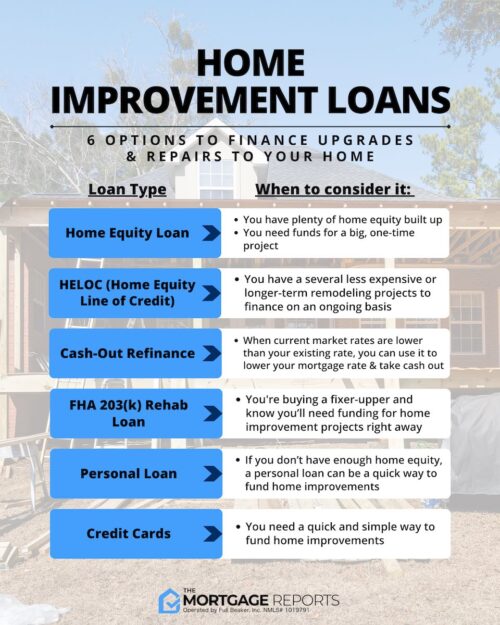
The current market has a few different ways to get cash. Some people use credit cards, some go for home equity, and many look at personal loans. Each path has a different cost-benefit ratio depending on your credit score and the size of your project. There are no universal wins here.
If you want to overhaul a kitchen with new cabinets or swap out old flooring, you need to understand the cost of that convenience. Financing isn’t free. Every dollar you borrow is a dollar plus interest that you have to pay back, usually over three to seven years. The math is cold and unforgiving.
Comparing the Financing Toolkit
When people decide to renovate, they usually look at three main buckets. First, there are personal loans. These are fast; you can often get the funds in a day or two. Because they’re unsecured, the lender is taking a bigger risk on you, so they’ll scrutinize your credit history very closely.
Second, you have home equity lines of credit (HELOCs) or home equity loans. These use your property as collateral. Since the bank can take your house if you stop paying, they offer much lower interest rates. The catch? The paperwork takes weeks, and you’ve put your primary residence on the line.
Third, there is the credit card route. This is the most dangerous path for large projects. Unless you’re using a 0% APR introductory offer, credit card interest rates will dwarf anything a personal loan can offer. You might finish the bathroom, but you’ll be paying for it for the next decade.
Deciding between these options depends on your specific situation. For a small repair, a credit card might work. For a complete kitchen remodel, a personal loan or equity product is usually the smarter move. Compare rates and terms to get the best deal on these products before you sign anything.
Consider these primary options for funding your next project:
- Personal Loans: Unsecured, fast, higher interest.
- HELOCs: Secured, slower, lower interest, variable rates.
- Home Equity Loans: Secured, fixed rate, lump sum payment.
- Credit Cards: Unsecured, immediate, extremely high interest.
You have to be smart. Do you want speed or the lowest possible interest rate?
The Real Cost of Unsecured Debt
Personal loans are the most popular choice for people who don’t want to mess with their title. They are straightforward: you apply, you get approved, and you get the money. It’s a clean transaction, but that cleanliness comes at a premium. You’re paying for the ease of the process.
If your credit is excellent, you might find a competitive rate. If it’s mediocre, you might as well not bother. The gap between a “good” rate and a “bad” rate can cost you thousands over the life of the loan. It’s not just about the monthly payment; it’s about the total interest paid.
Many borrowers overlook closing costs and origination fees. Some lenders bake these into the loan amount, so you end up paying interest on the fee itself. It’s a subtle way to increase the cost of your renovation. Always check the fine print to see if the “monthly payment” is the only thing you’ll be paying.
The math matters. For instance, if you want a quick way to manage cash, you might look at texasloanstoday.com to see what local or specialized options exist for your specific region. The more you shop around, the less likely you are to get fleeced by a lender with high fees.
People often forget that this isn’t “free money.” It is a debt obligation. If you take out a $20,000 loan for a deck, that deck better be worth at least $20,000 more than it was before, or you’ve made a poor investment. Home improvements are unique because they are both a lifestyle choice and a financial investment.
Risk and Value in Residential Upgrades
The goal of most renovations is to increase the resale value of the home. This is where things get tricky. Not all renovations are created equal. A new kitchen might give you a high return on investment (ROI), but a high-end swimming pool often doesn’t. You might spend $50,000 and only see $30,000 added to the appraisal.
You need to know your ROI. If you’re financing a project that won’t recoup its cost, you’re essentially subsidizing your own comfort with high-interest debt. That’s a luxury, not an investment. If you can’t afford to lose the money, stick to repairs that maintain the property’s current value, like a new roof or HVAC system.
Lenders look at your debt-to-income ratio when they evaluate your ability to take on a new loan. If you already have a high mortgage and a car payment, a new personal loan might be harder to get than you think. They want to see breathing room in your monthly budget. They aren’t in the business of helping you go broke.
The best home improvement loans often come from lenders who specialize in these types of unsecured products. They understand that the money is going into something that adds value, even if the loan itself is personal. This understanding can help you negotiate better terms with your bank.
Does the renovation actually pay for itself? If the answer is “probably not,” you’re playing with fire. Many people find themselves in a cycle of borrowing to fix things they can’t afford to fix, creating a debt spiral that is hard to escape.
Consider the following comparison of financing methods based on typical user needs:
| Financing Type | Speed of Funding | Collateral Required | Typical Interest Rate |
|---|---|---|---|
| Personal Loan | Fast (1-3 days) | No | Moderate to High |
| HELOC | Slow (Weeks) | Yes (Your Home) | Low (Variable) |
| Credit Card | Instant | No | Very High |
The table above shows the trade-offs clearly. If you need the money today to stop a leak, a personal loan or credit card is your only option. If you’re planning a kitchen remodel for next summer, a HELOC is the superior financial move. Time is a variable you cannot ignore.
Evaluating the Market Terms
The interest rate environment in 2026 is a primary driver of how people borrow. When rates are high, the math for a personal loan is much harder to justify. You end up paying for the renovation twice: once to the contractor and once to the bank in interest. Timing your borrowing is important.
Fixed-rate loans are generally safer for home improvements. With a fixed rate, your monthly payment stays the same for the life of the loan, which provides predictability. Variable-rate loans, common in HELOCs, are more dangerous because a sudden spike in market rates can blow your budget open. You might plan for a $300 payment and end up with $500.
Check the APR, not just the interest rate. The Annual Percentage Rate (APR) includes the interest rate plus other fees. It is the most honest number in lending. If a lender offers a low interest rate but a high APR, they are hiding the true cost of the loan in the fine print. Don’t fall for the bait.
The decision to borrow is personal, but the math is public. Use the tools available. Compare at least three different lenders. Look at the total cost of the loan, not just the monthly payment. It is easy to feel like a homeowner when the new cabinets are in, but the debt is still there when the party is over.
Don’t be a sucker for low monthly payments.